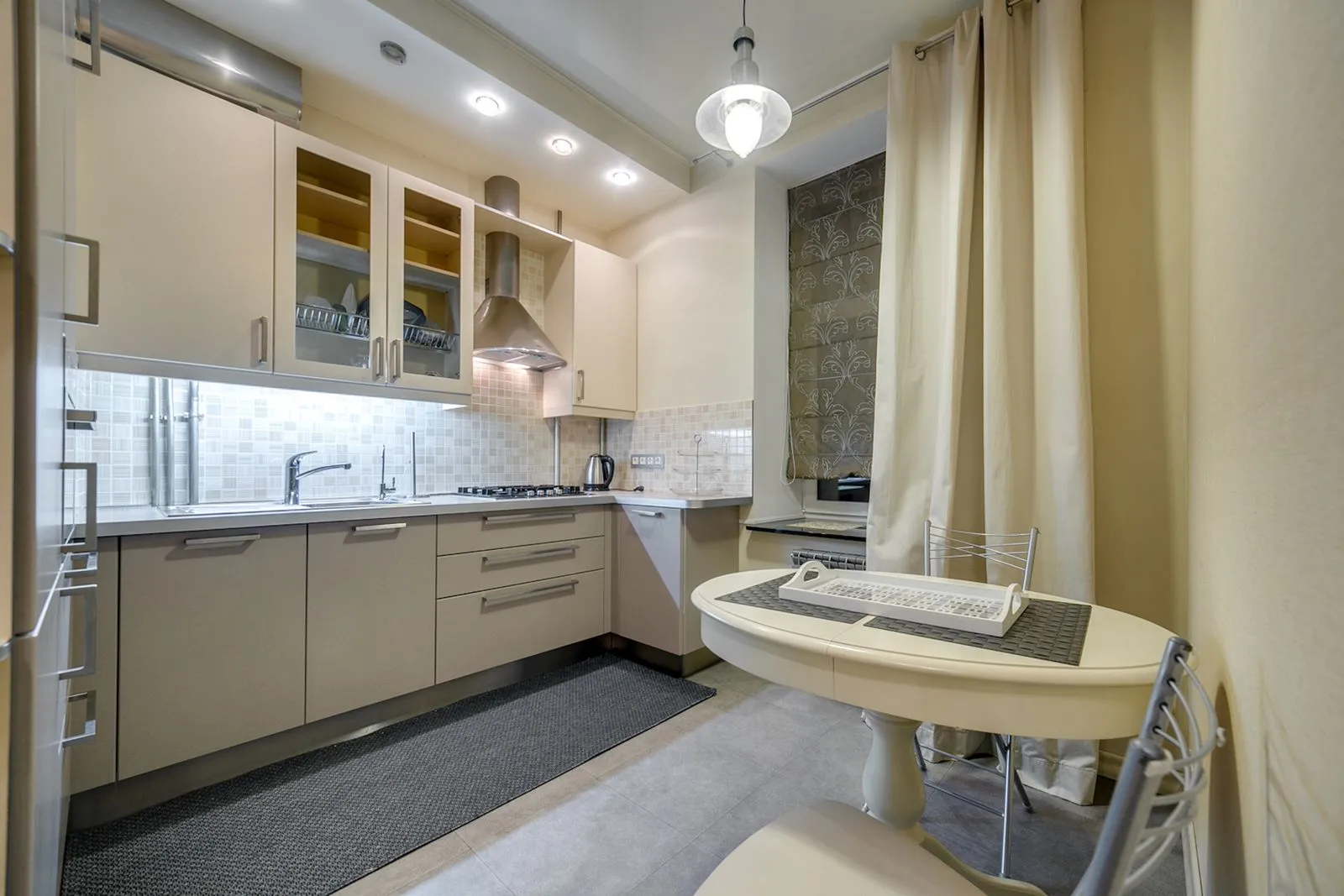
In a small Belfast home, a few crowded shelves or an overfilled hall cupboard can quickly affect how the whole space feels. The answer is not always more storage. Start by deciding what you use, where you use it, and how easily you need to reach it. With a clear plan, you can make existing cupboards, drawers, and awkward corners work harder—without hiding the things you rely on every day.
Start With Everyday Needs
Choose one small area to begin, such as the kitchen counter, bedside table, or hall shelf. Remove everything, then group items by purpose. Keep the things you use often close to where you use them; move occasional items to higher shelves or less accessible cupboards. Set aside duplicates, damaged belongings, and items you no longer need before deciding how to arrange what remains.
Use a simple test for uncertain items: when did you last use it, and would you look for it if it disappeared? Keep seasonal or sentimental belongings only if you can assign them a sensible home. This prevents the most convenient shelves from being taken up by things that rarely support your daily routine.
Make Cupboards Work Harder
Measure shelves and cupboard interiors before buying organizers. Stackable containers can use vertical space, while shelf risers create a second level for cups, tins, or folded linens. Use a small basket to group similar items, but avoid filling every gap simply because it exists. Leave enough room to remove what you need without unpacking an entire shelf.
Store items by how often you reach for them. Put daily dishes, cooking tools, and personal care supplies at comfortable height; reserve high shelves for occasional-use items. Keep heavier belongings lower down. If you use clear containers, label them with plain descriptions so everyone at home can return items to the right place.
Use Awkward Spaces Well
Look for underused areas beneath beds, above doorways, and inside wardrobe doors. Flat under-bed boxes can hold spare bedding or out-of-season clothing. Hooks may suit bags, robes, or frequently worn items, while a narrow tray can corral small essentials near an entrance. Choose options that fit the space and do not block doors, walkways, or access to anything you use regularly.
In a narrow hall or small bedroom, keep the floor as clear as possible. A few wall-mounted hooks or a compact shelf can be more useful than a bulky piece of furniture. Before adding anything, remove items that do not belong in that room. Storage works best when it supports a clear purpose rather than creating another place for miscellaneous belongings.
Keep Clutter From Returning
Give everyday essentials a consistent home: keys in one bowl, post in one upright holder, and charging cables in a designated drawer or pouch. Place each home where the item naturally gets used. A routine of returning things after use takes less effort than searching for them later, especially when several people share a small space.
Set aside a short weekly reset to clear surfaces, return misplaced items, and check whether storage areas still suit your routine. When something new comes in, decide where it will live before putting it away. If a cupboard is already full, remove or relocate something else rather than squeezing in another item.
A small home can feel more spacious when storage reflects real routines and everyday essentials stay easy to reach. Begin with one practical area, make a few considered changes, and maintain them with a simple reset. If you would like support creating a plan for your Belfast home, Belfast Edit can help you take the next step.